After a quick post Parkrun shower, I headed off to the Heinz Nixdorf Forum museum, which is the largest computing museum in the world. It’s situated in the former HQ of Nixdorf Computers.
It’s quite expansive in its scope; it starts off with the development of counting systems, before moving onto printing presses, adding machines, morse code transmission, etc. Essentially anything that’s to do with information processing and a precursor to the computer.
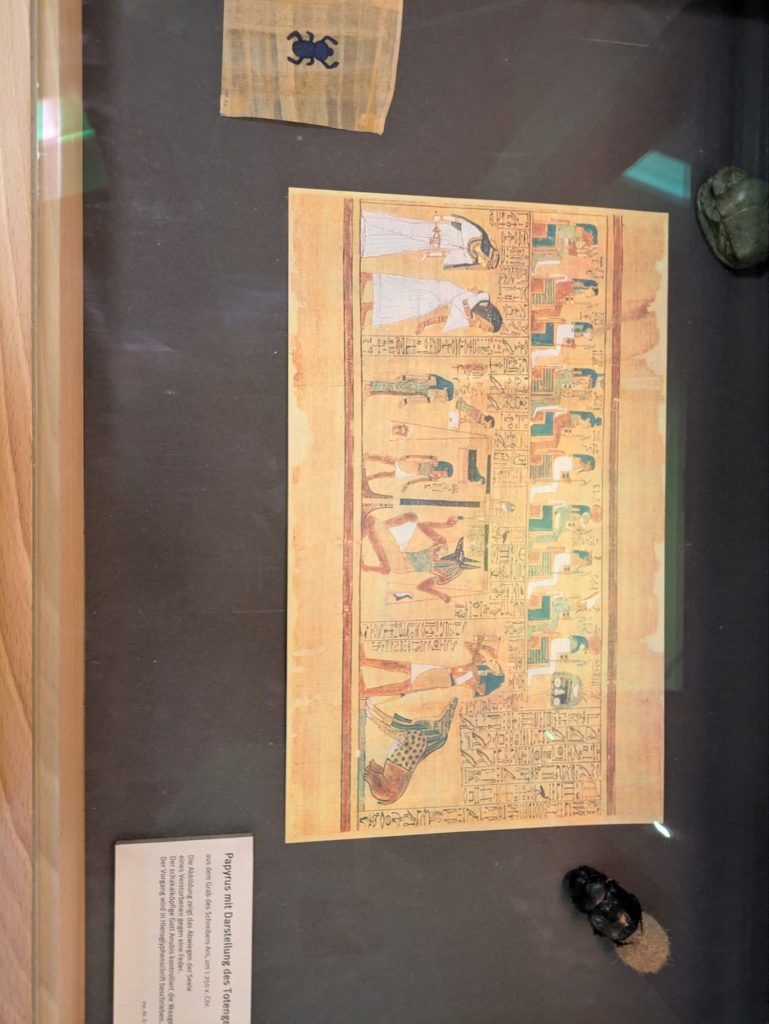
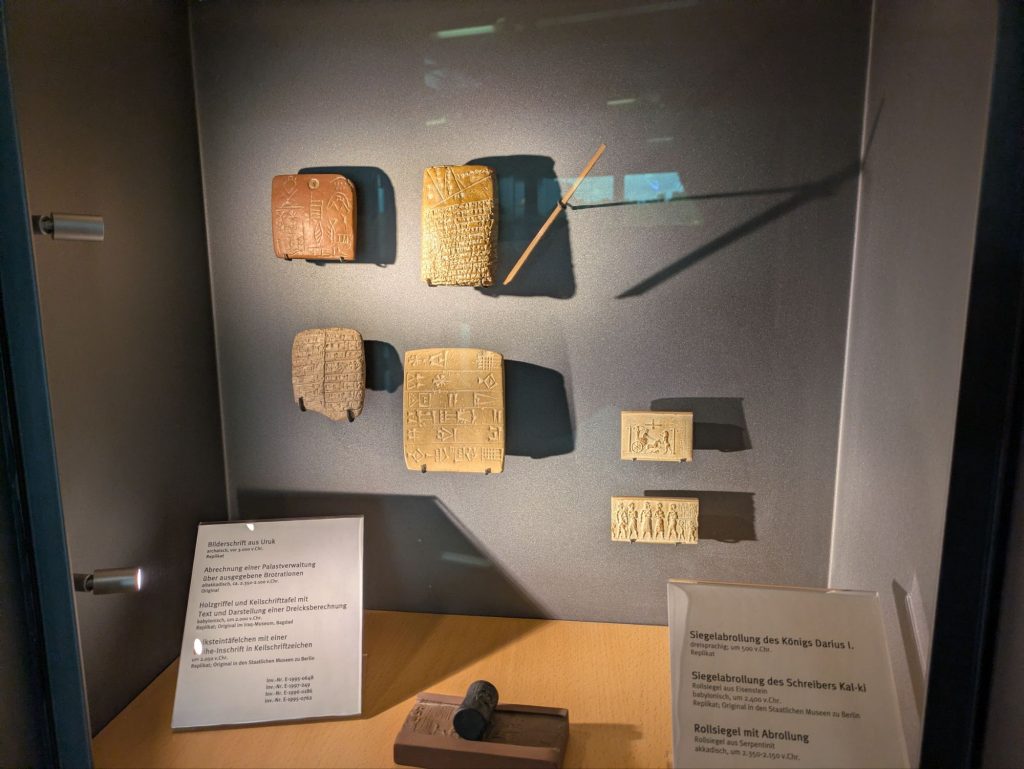
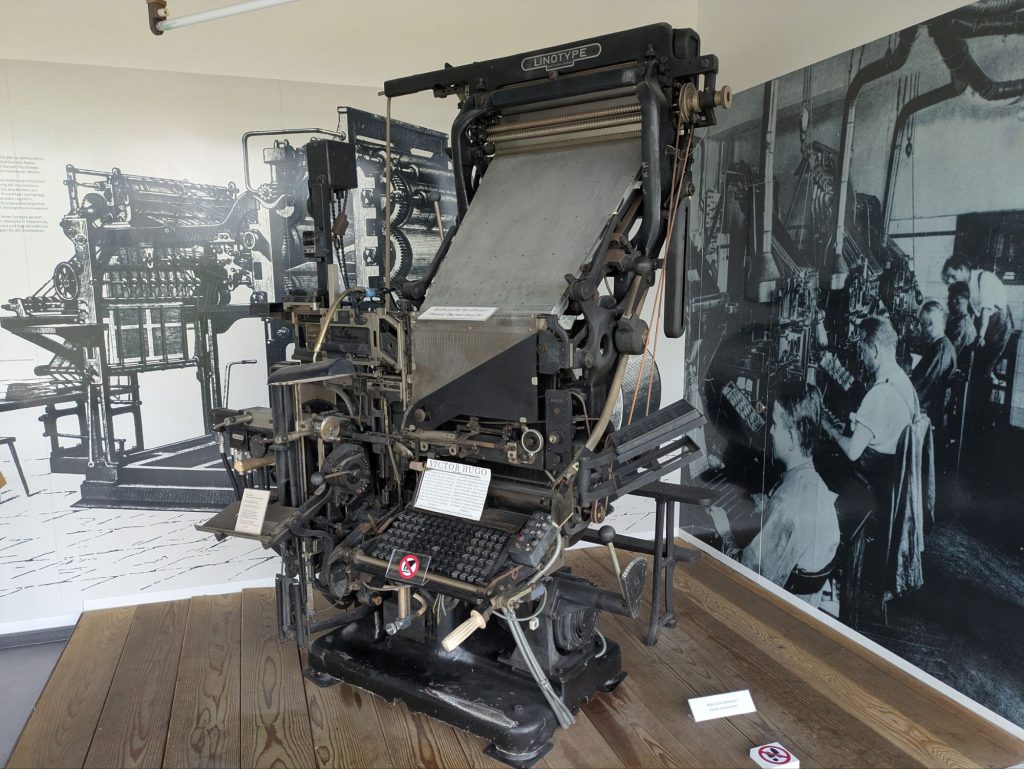
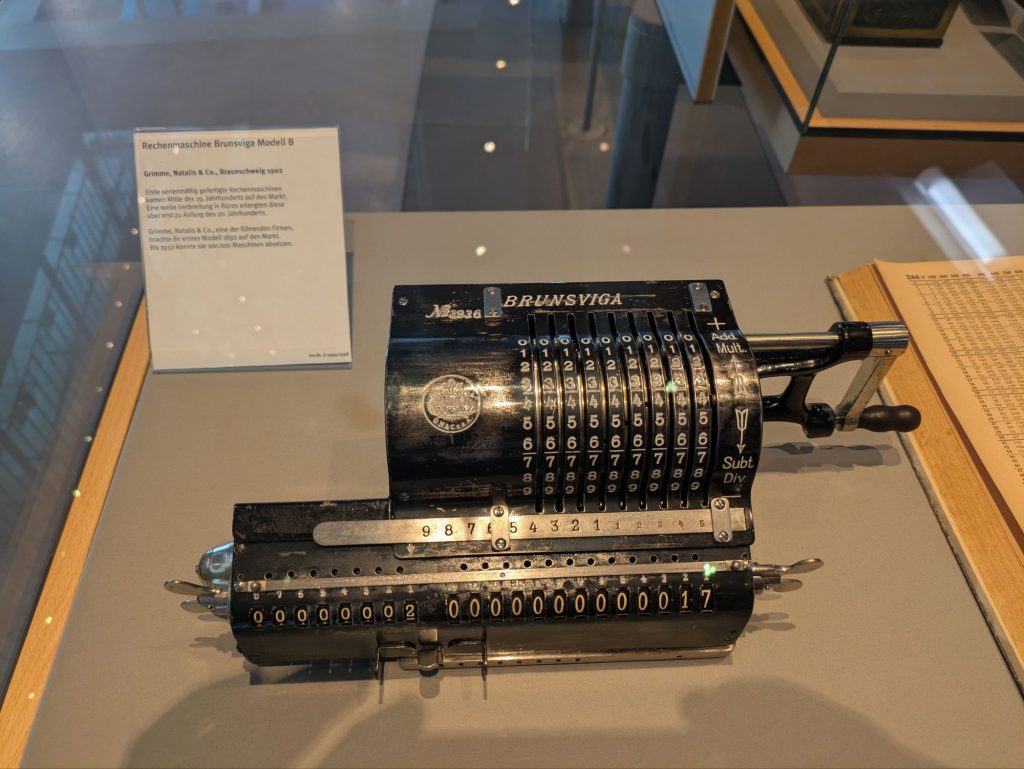
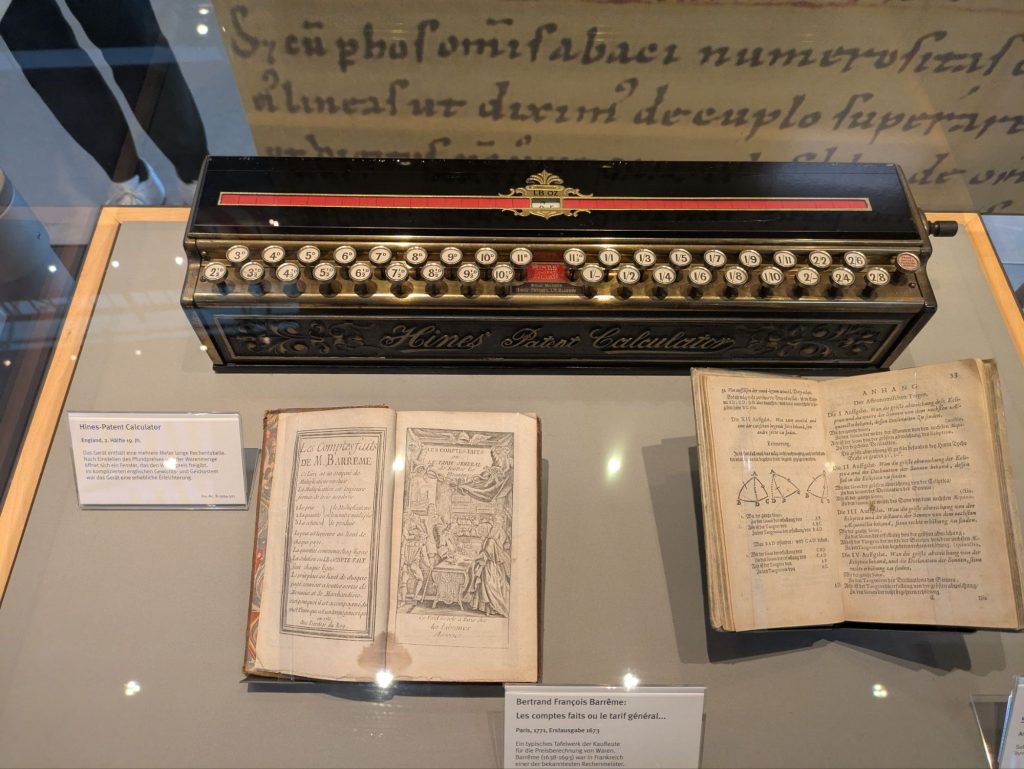
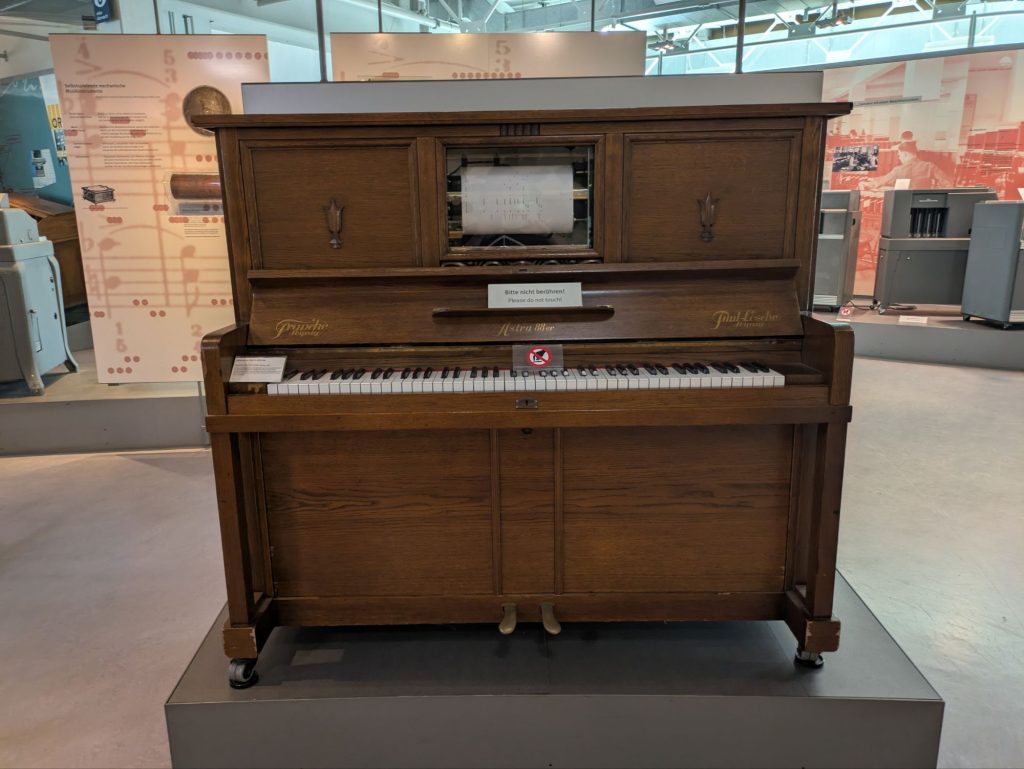
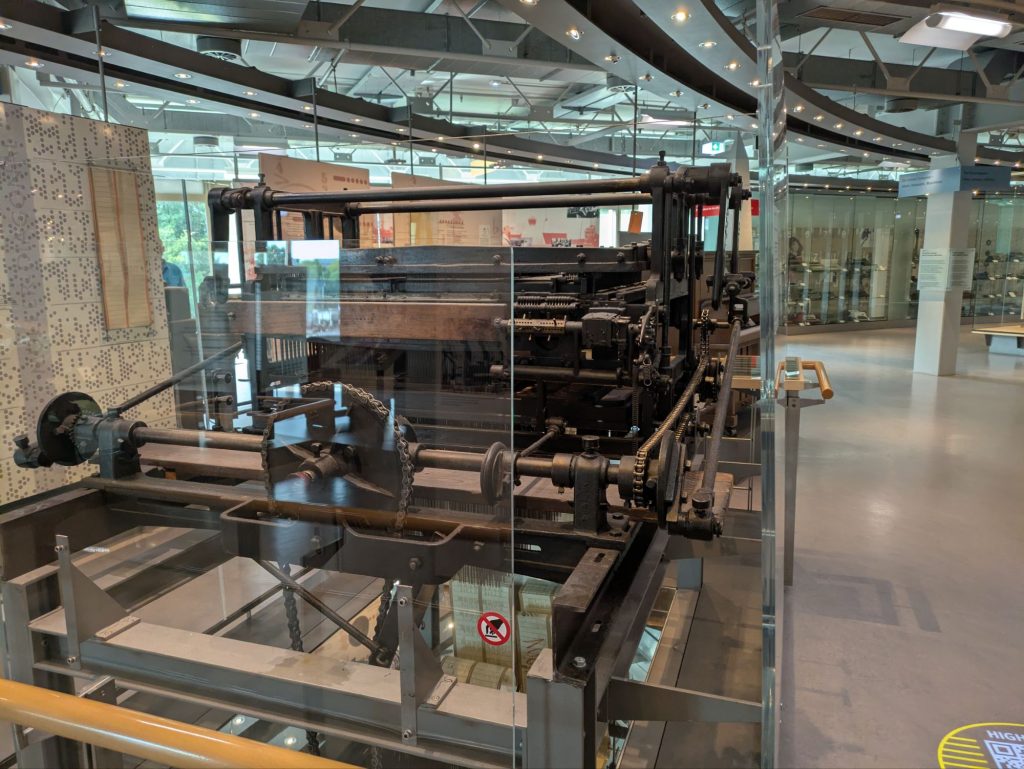
A lot of the captions were only in German, so I had to struggle through and/or use Google Translate (which does a pretty good job with the live image tool).
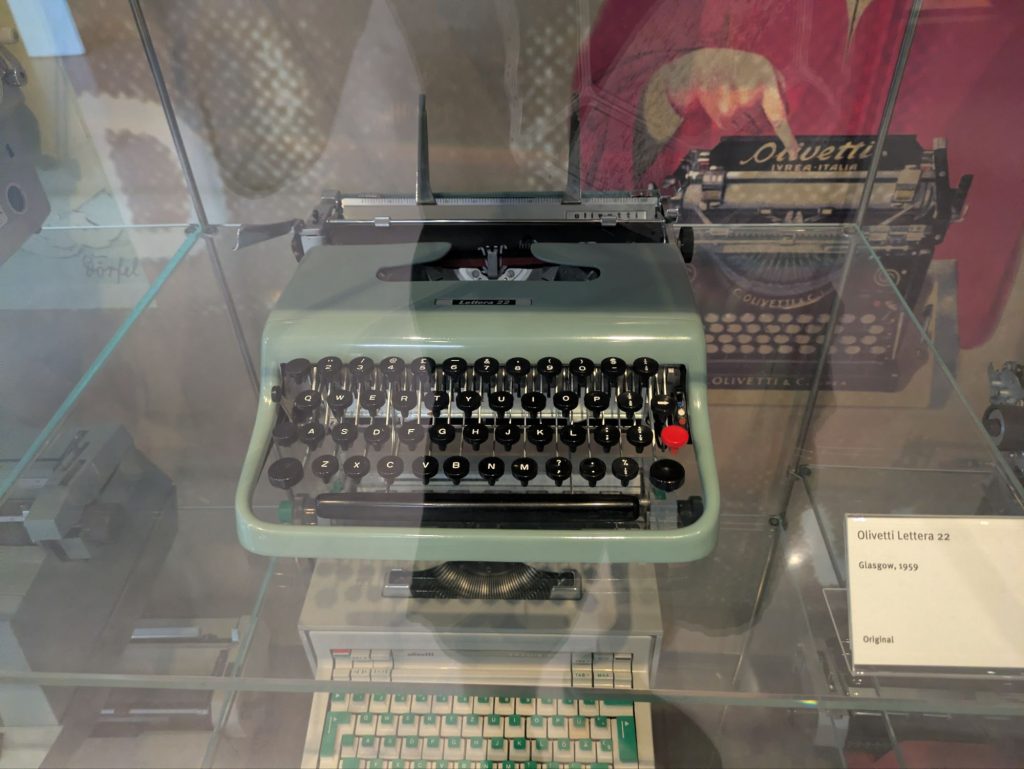
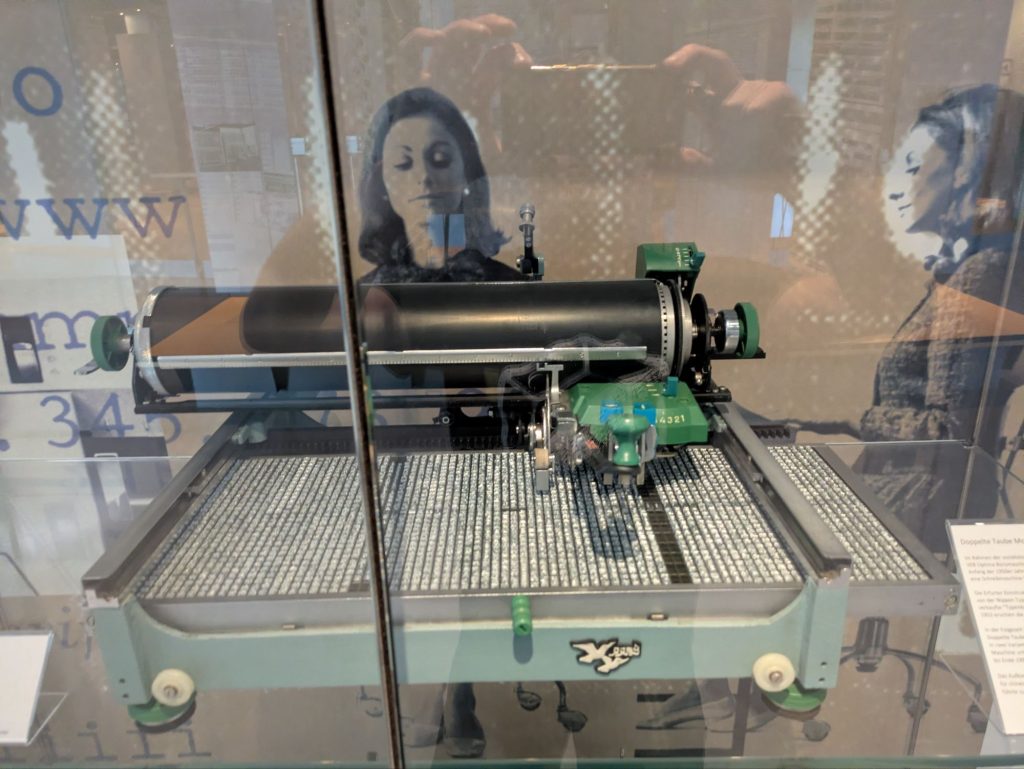
There was an extensive (some might say excessive) collection of historical typewriters, of which here are just two:
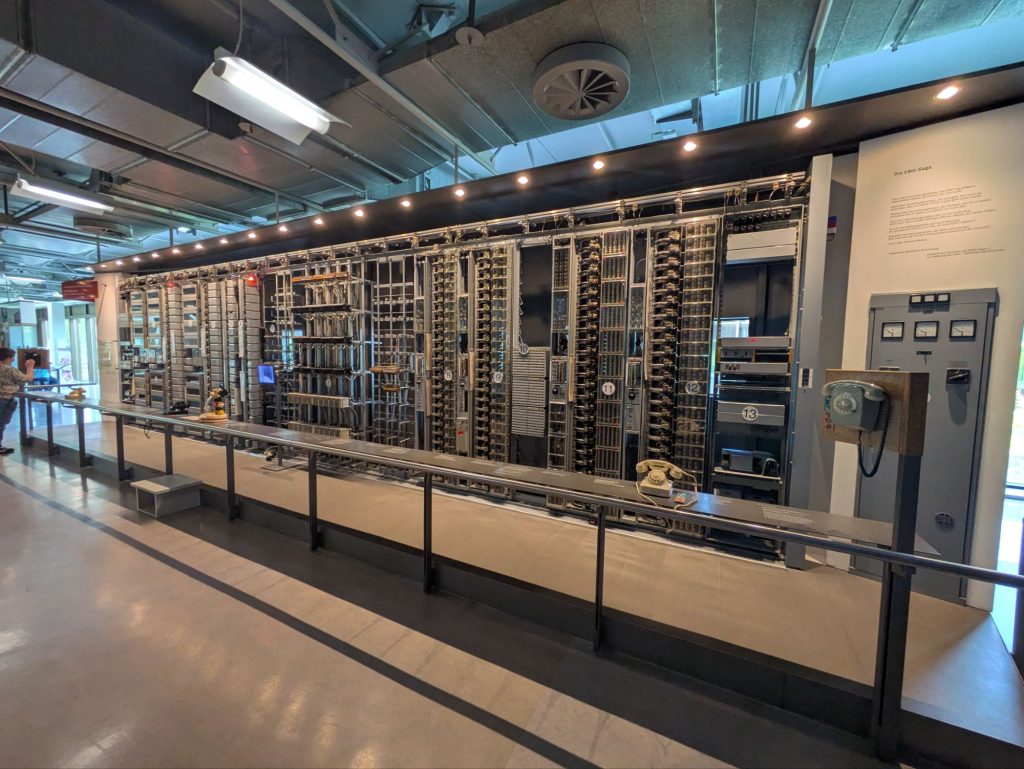
They’ve also got a large (working) Stowger exchange; you can call other phones on it (assuming you’re old enough to know how to use a dial phone)
There was a section on codebreaking, and the Enigma. They’d actually got more enigma machines than the museum in Poznan. The Poles didn’t get any credit for solving it here though.
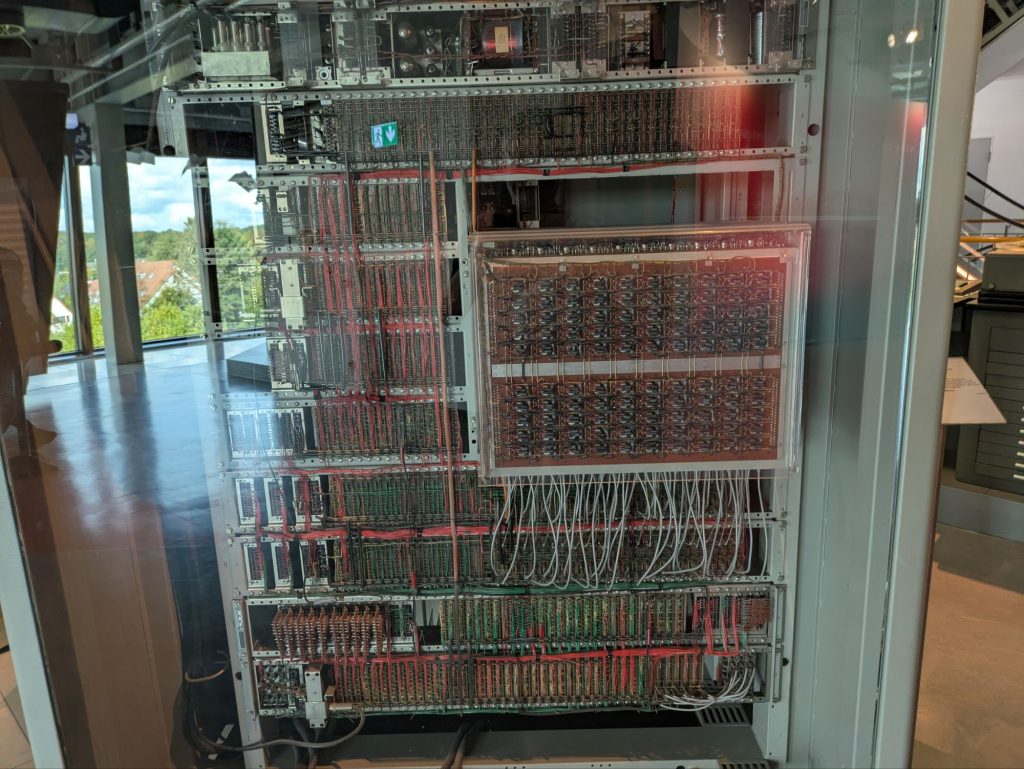
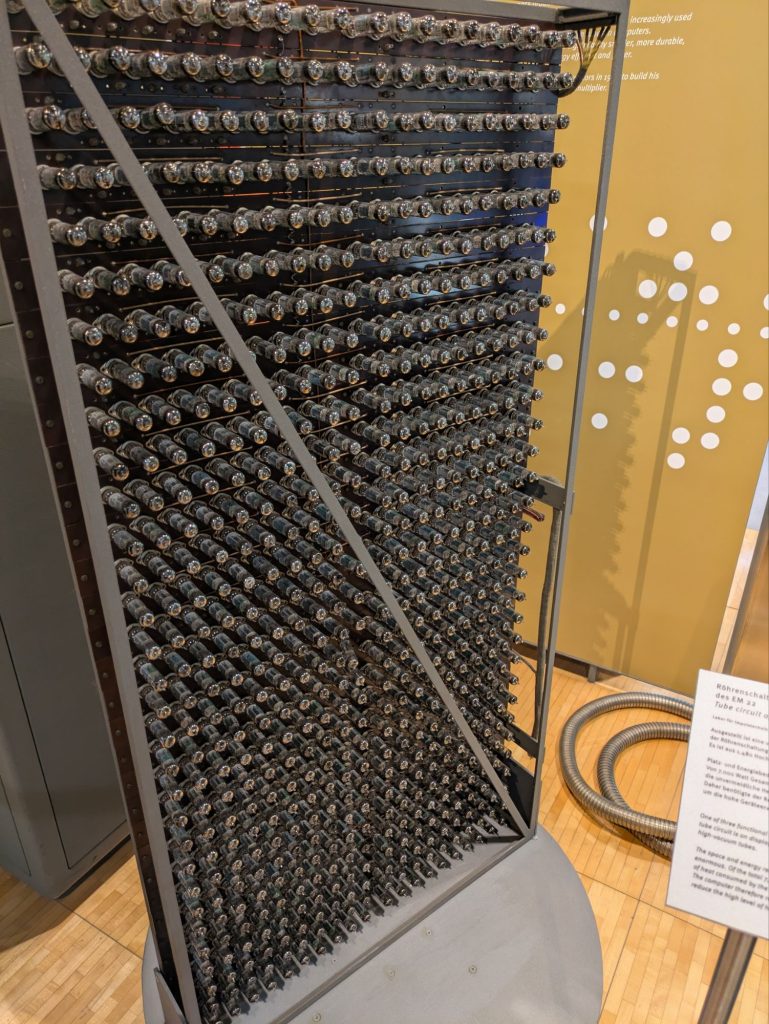
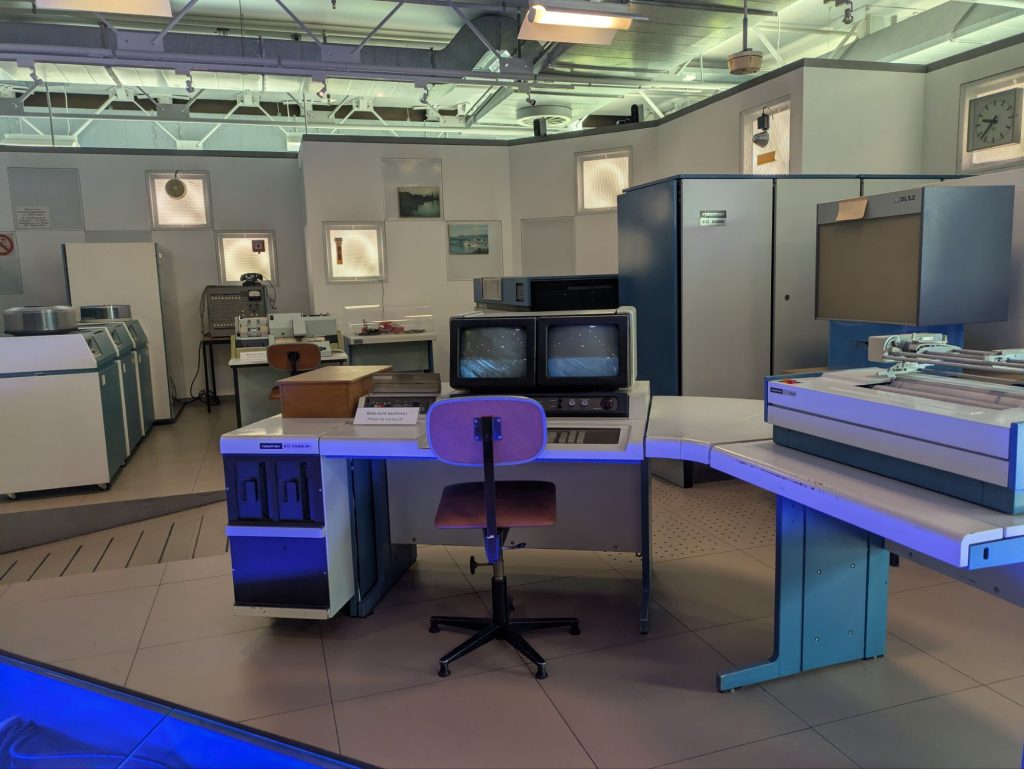
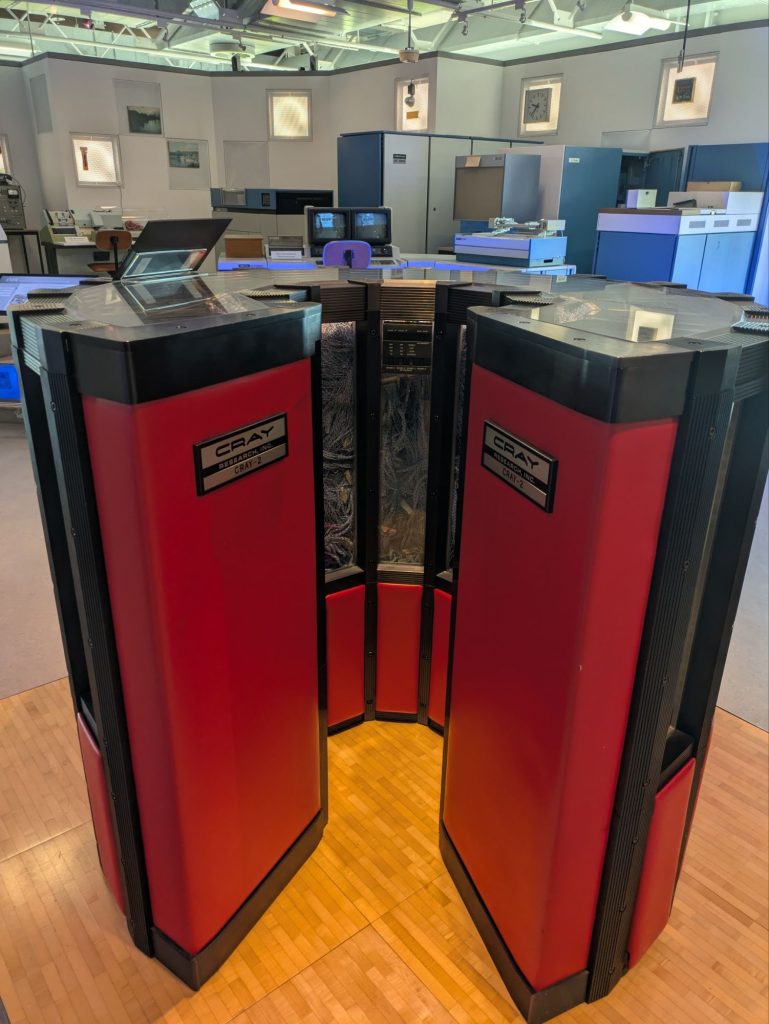
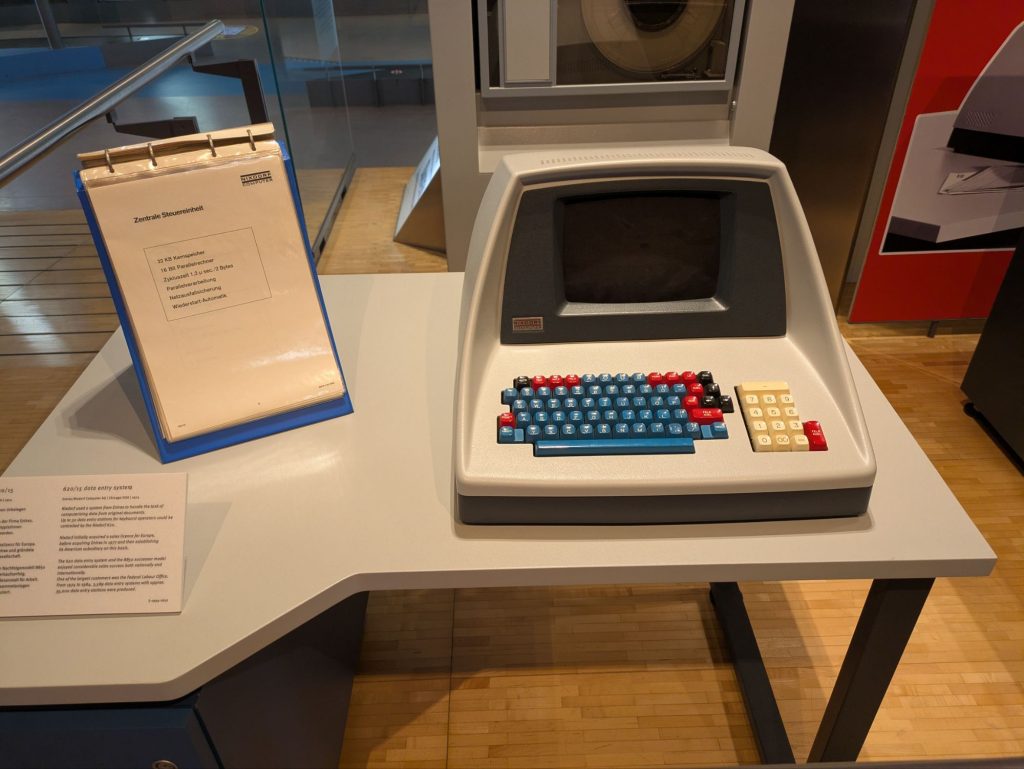
Then it was onto the computers. The collection was arranged roughly chronologically. There was a large section on the history of Nixdorf’s devices; they’d done a lot more in-house than most other manufacturers. It sounded like the company had struggled after Nixdorf’s death; it was eventually taken over by Siemens
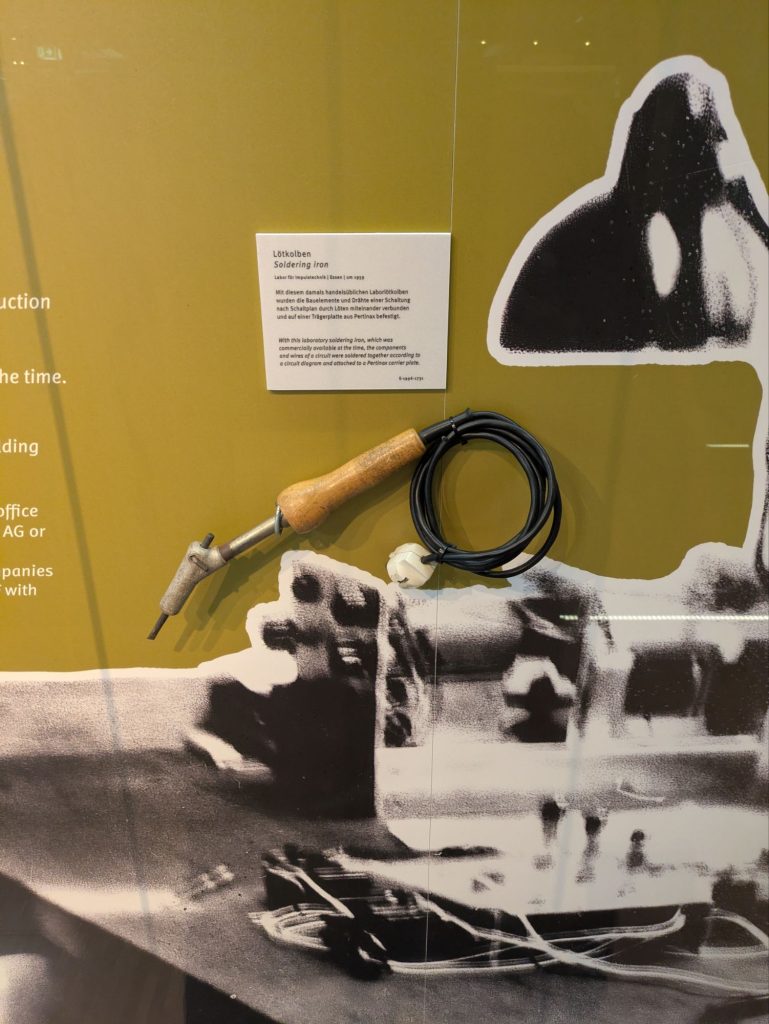
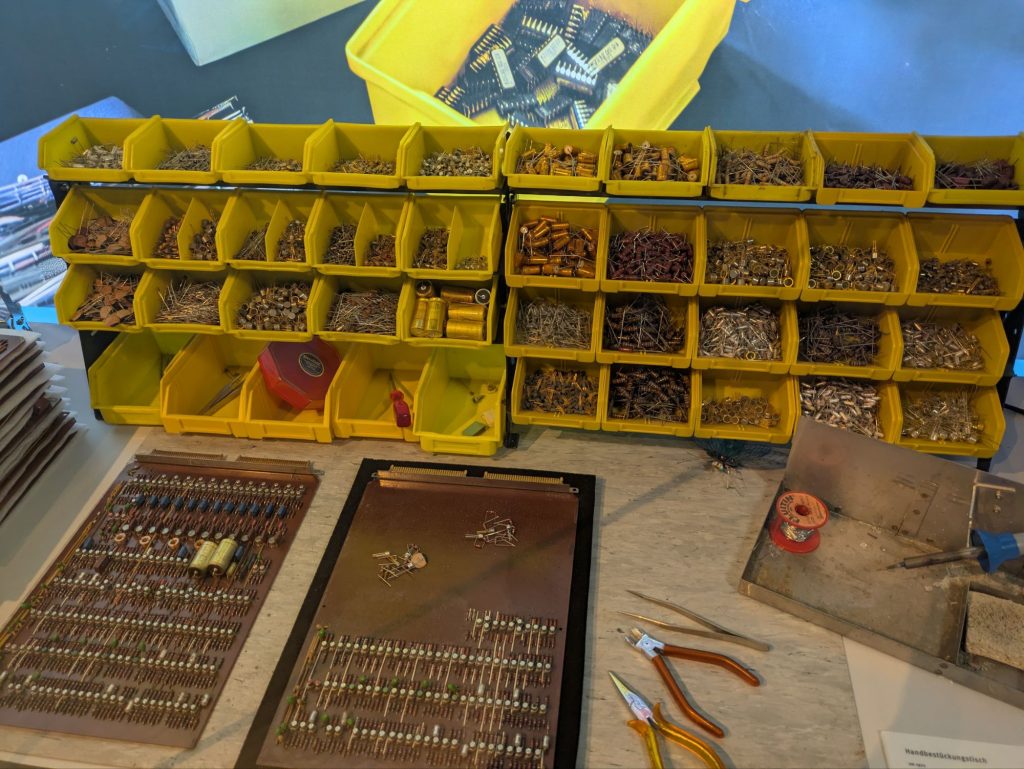
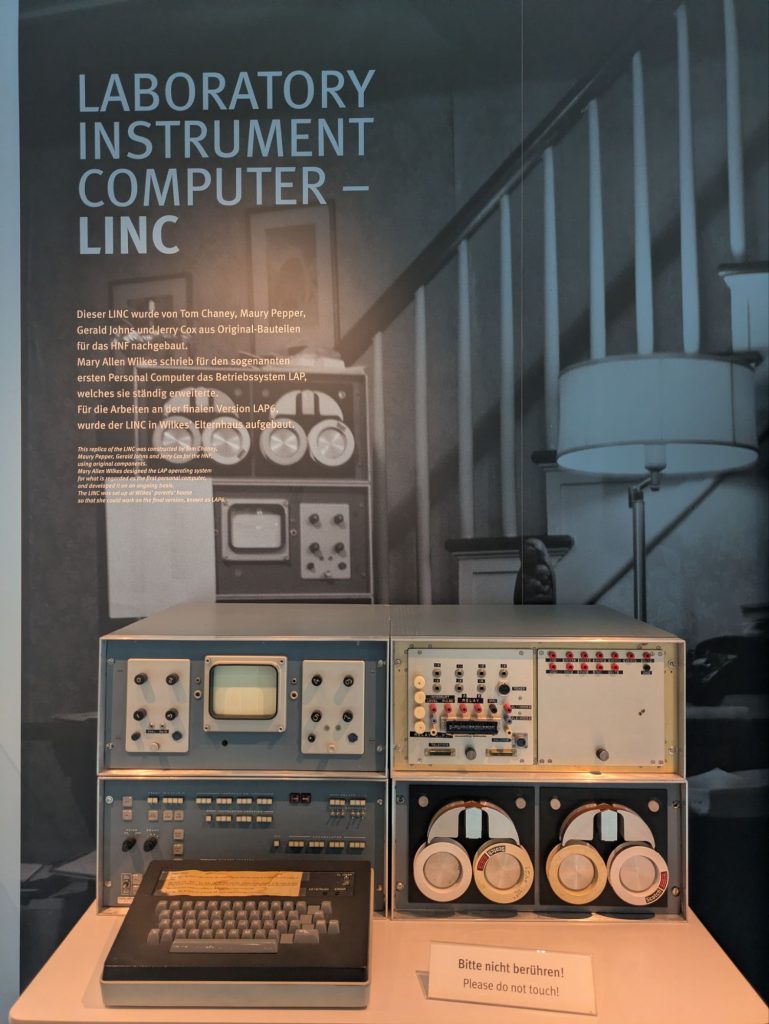
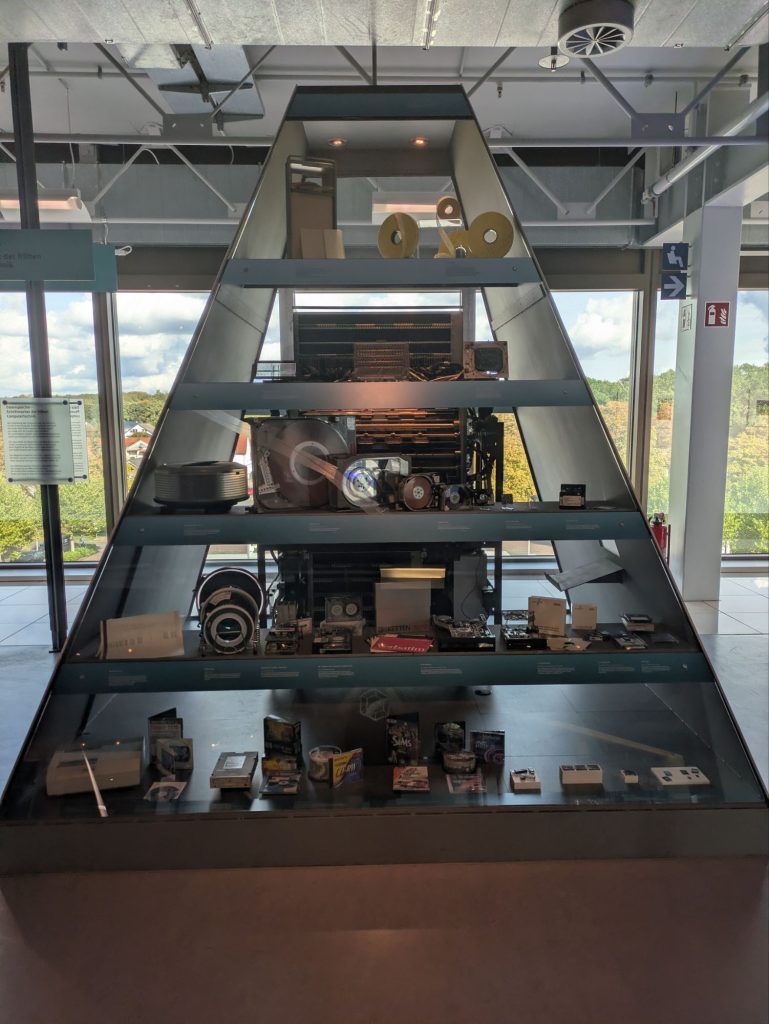
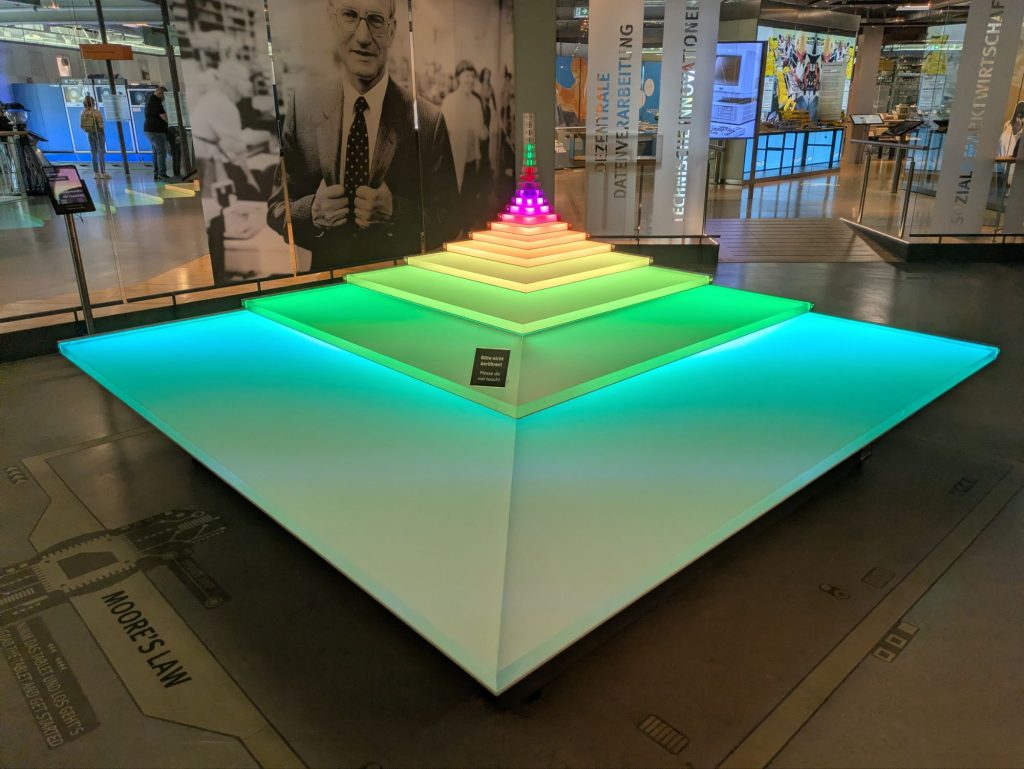
There was a nice AR sculpture illustrating Moor’s law:
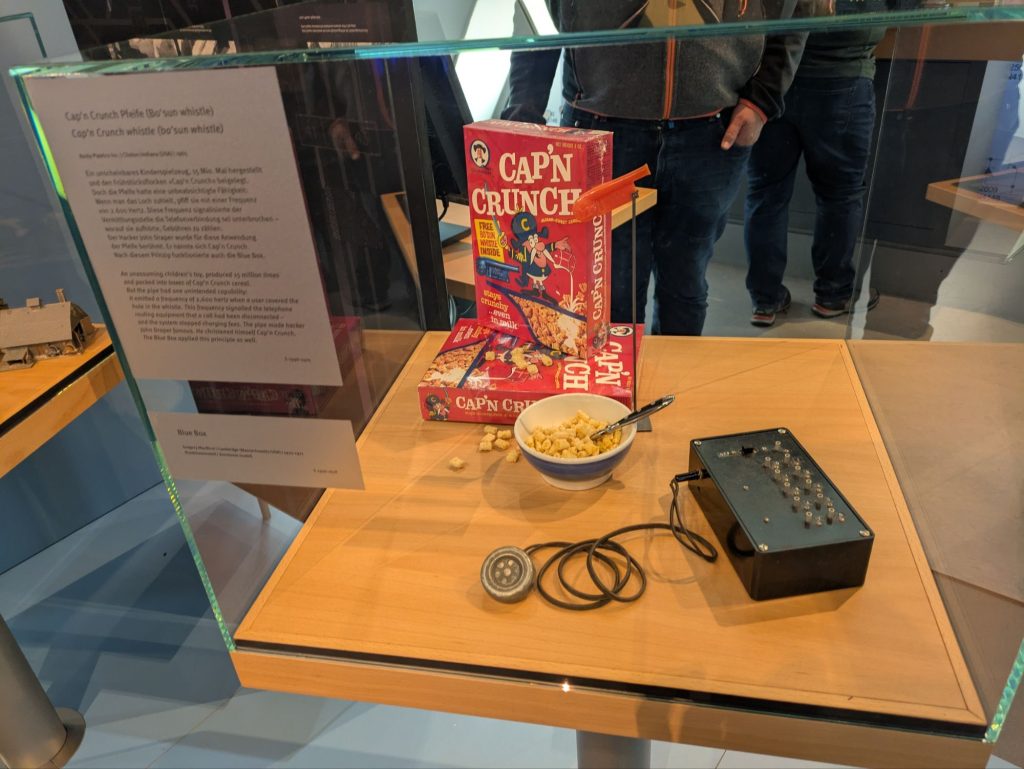
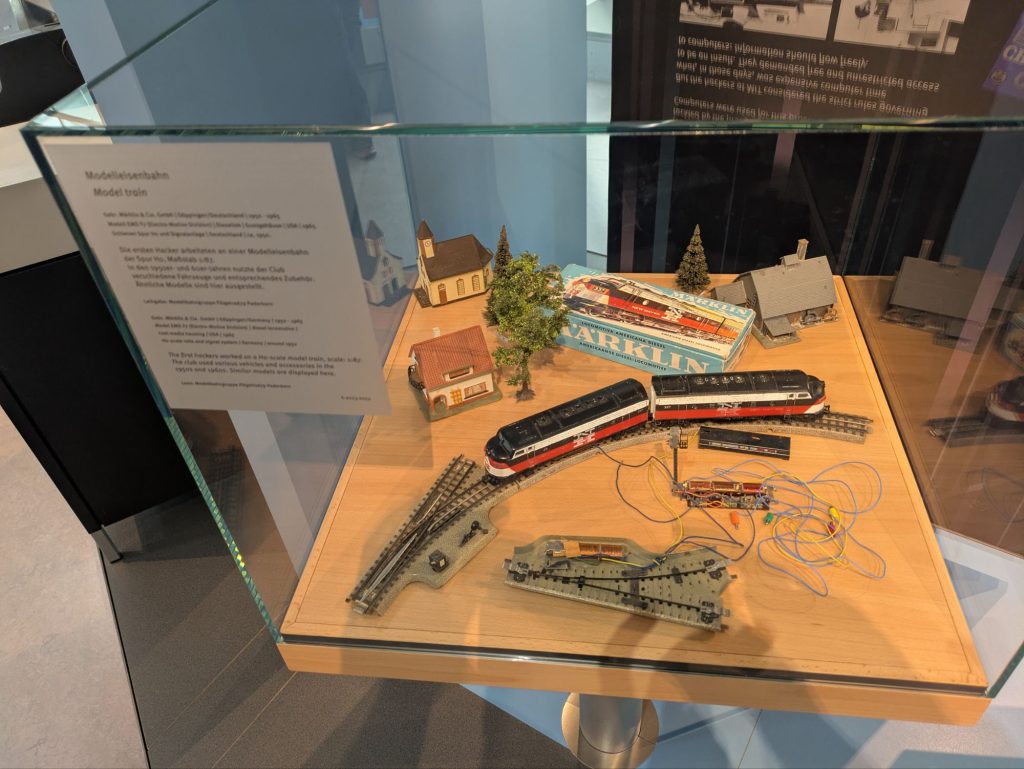
They’d got good displays on the cultural side of things too, with exhibits showing the 2600Hz whistle, CCC etc
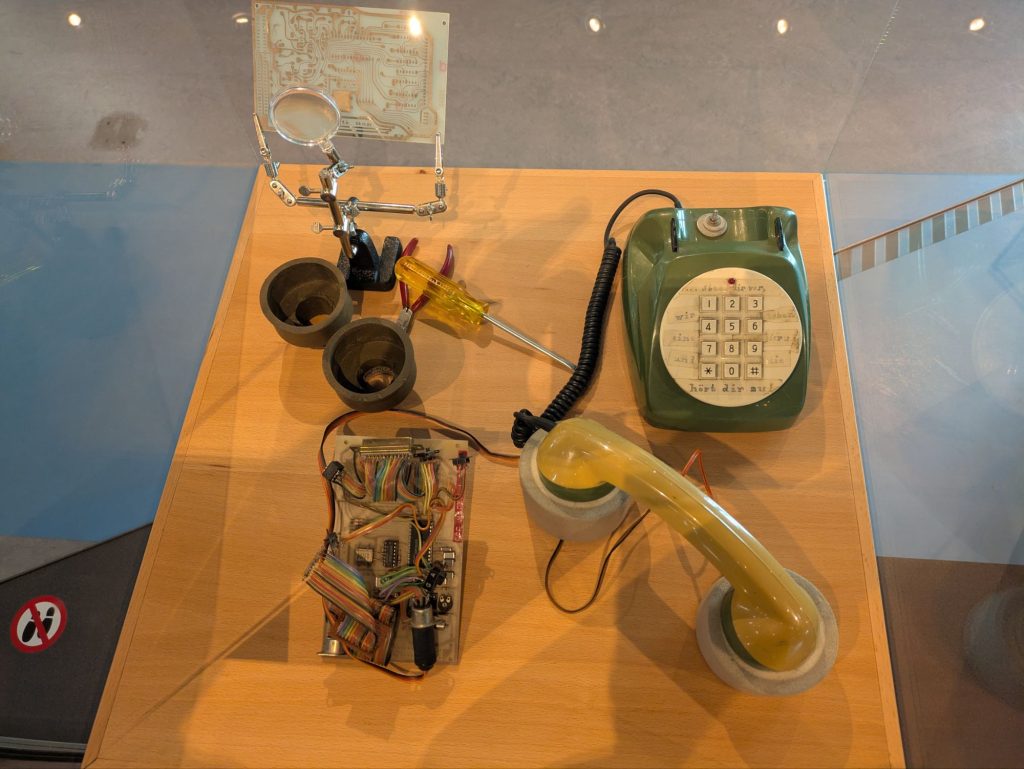
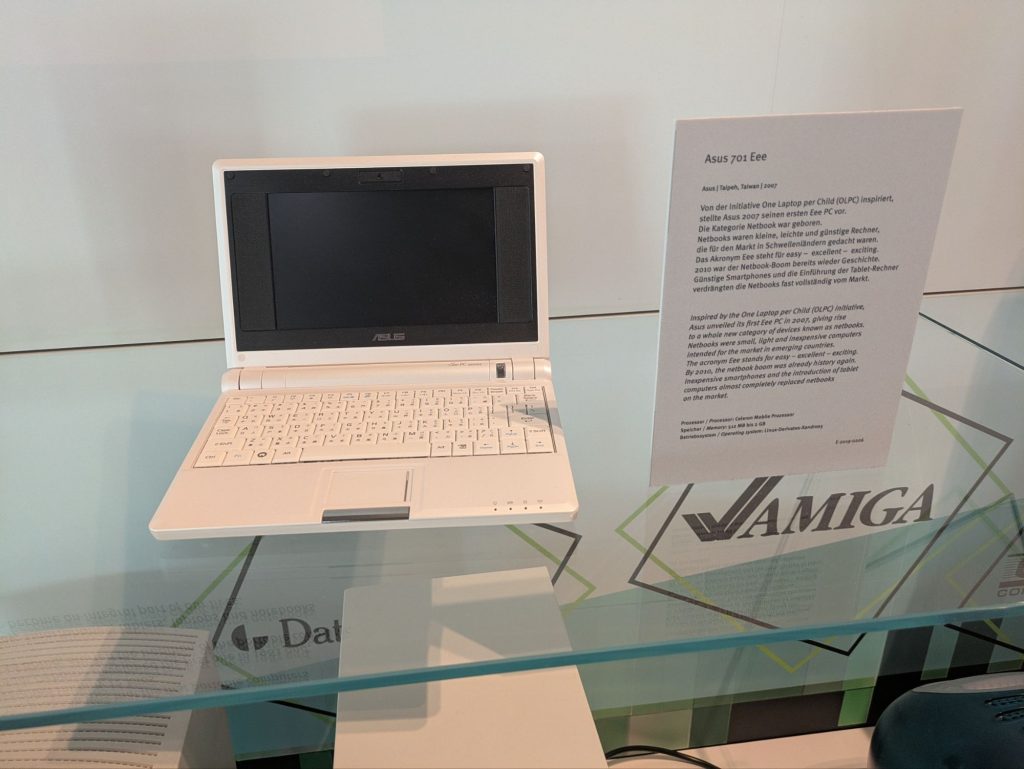
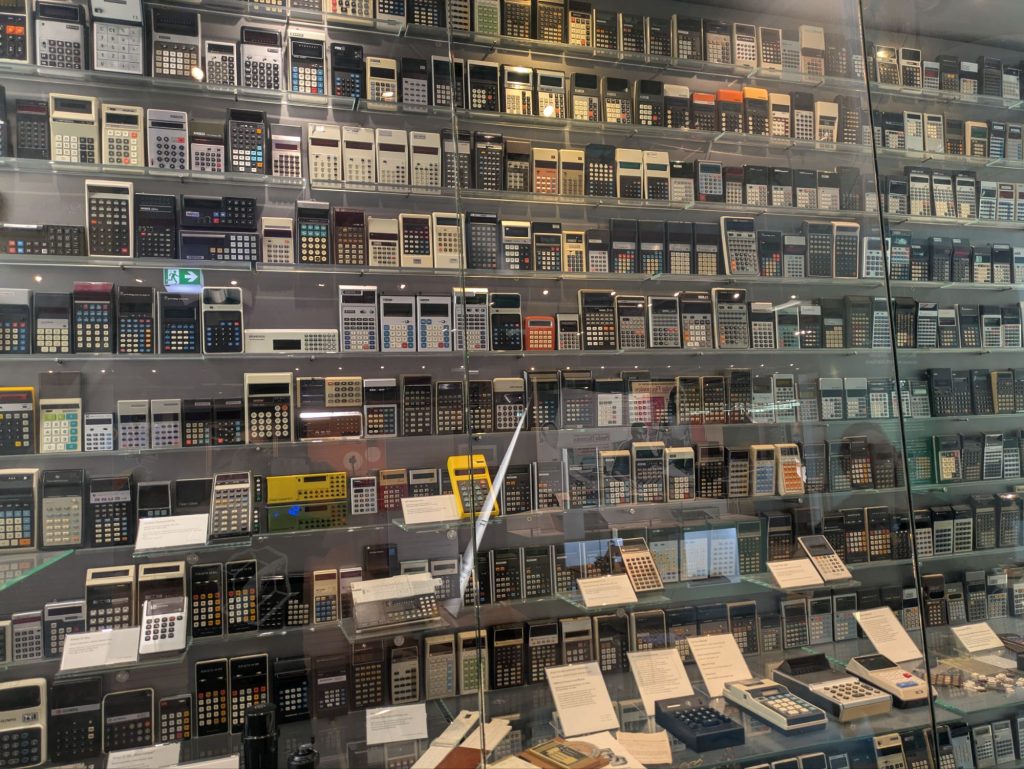
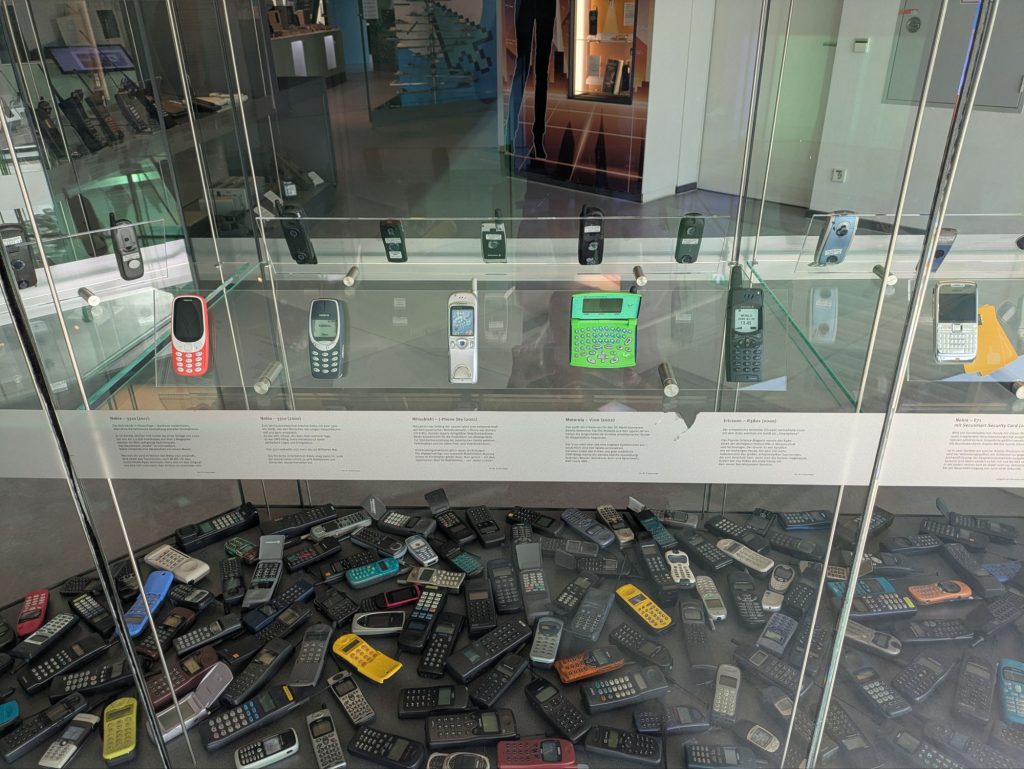
Invariably in computer museums you reach the point where the computers you’ve owned or used start to appear. They’d also got a large collection of calculators and mobile phones, so this happened to me more than once:
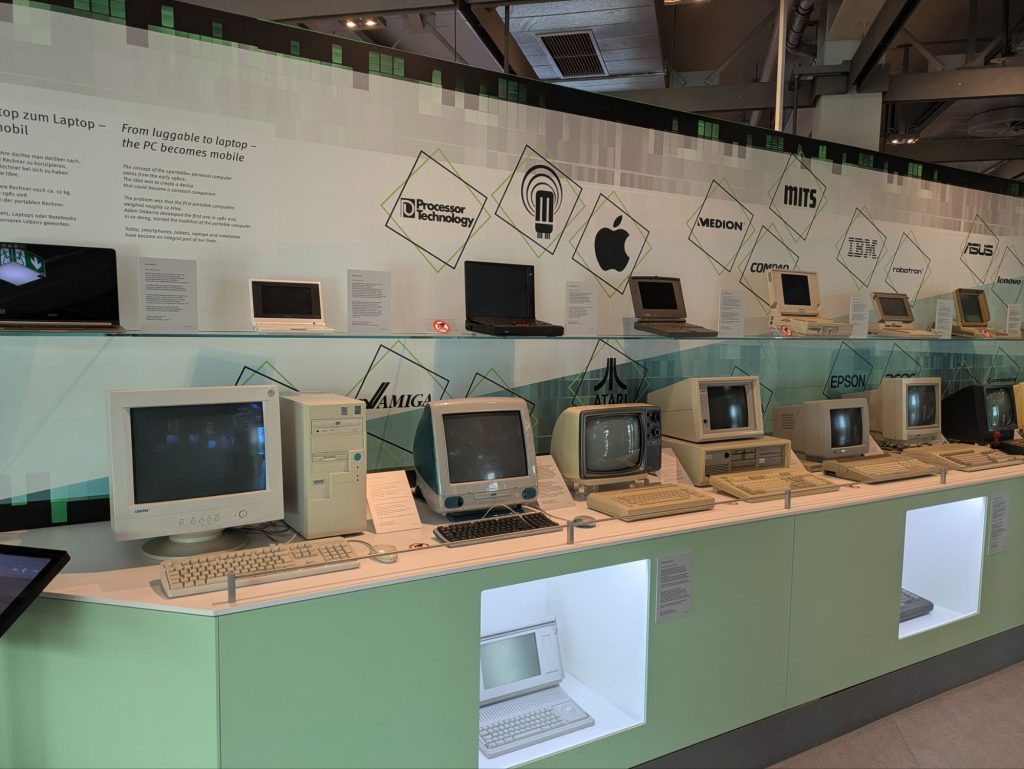
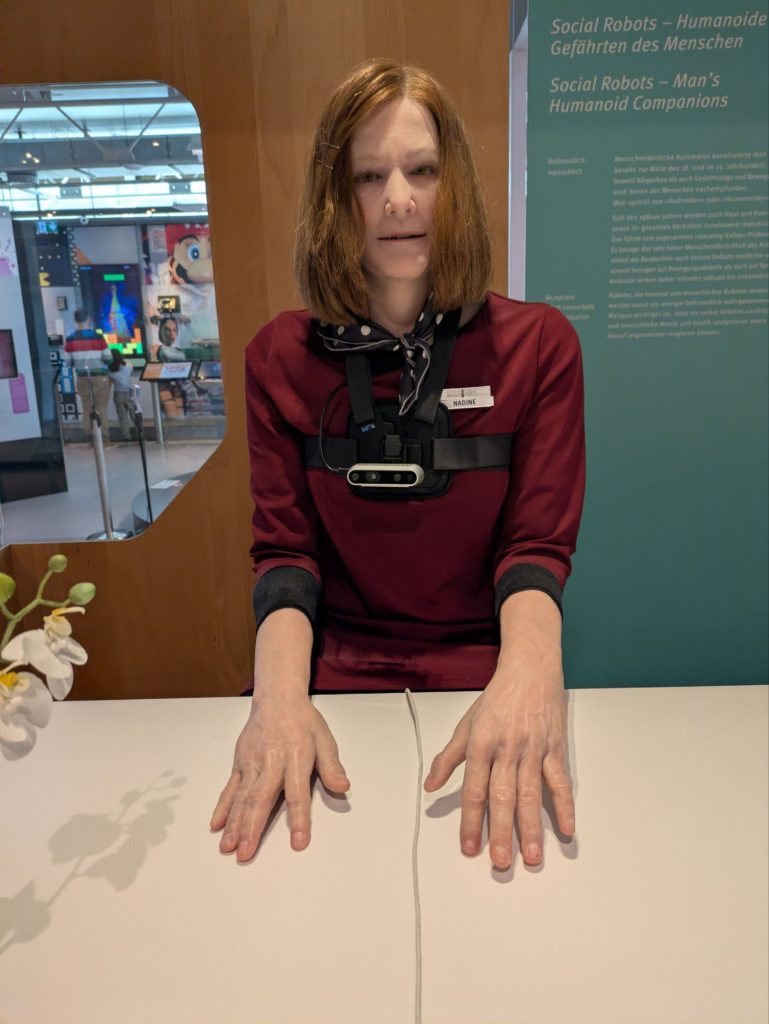
The latter part of the exhibition focuses on AI and robotics. I was impressed how recent some of the exhibits were. There was quite a large section on human-like robots. These were pretty creepy. You could interact with the first two; it was really unnerving how their eyes followed you around. I’m quite glad the other ones weren’t powered up.
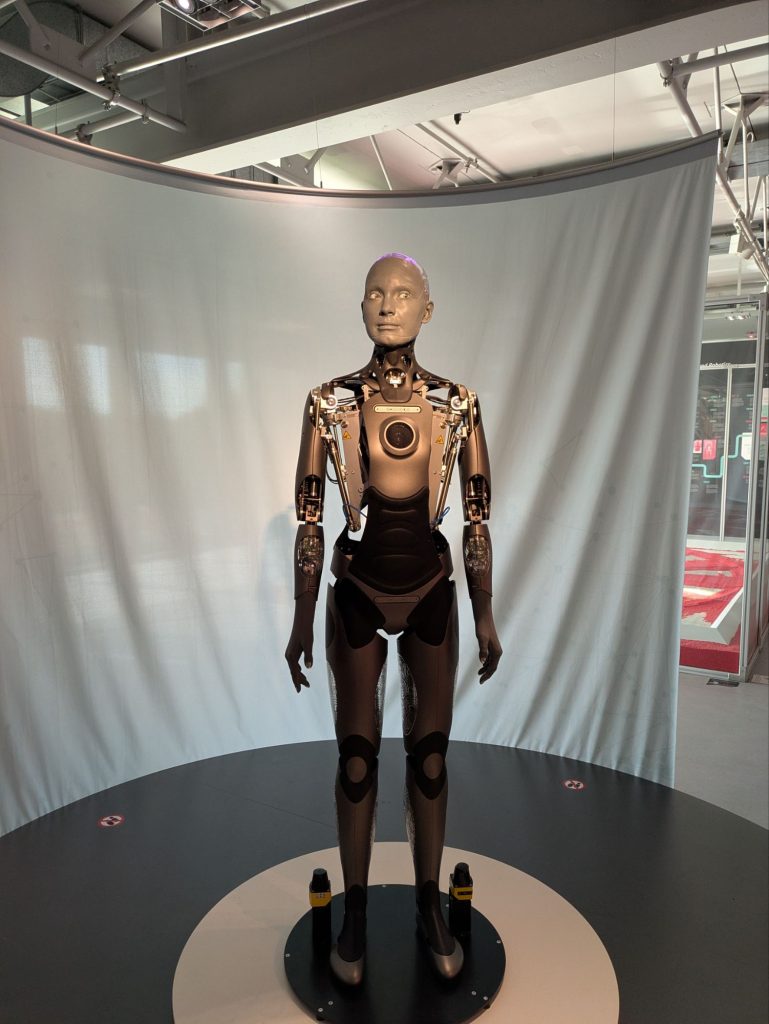
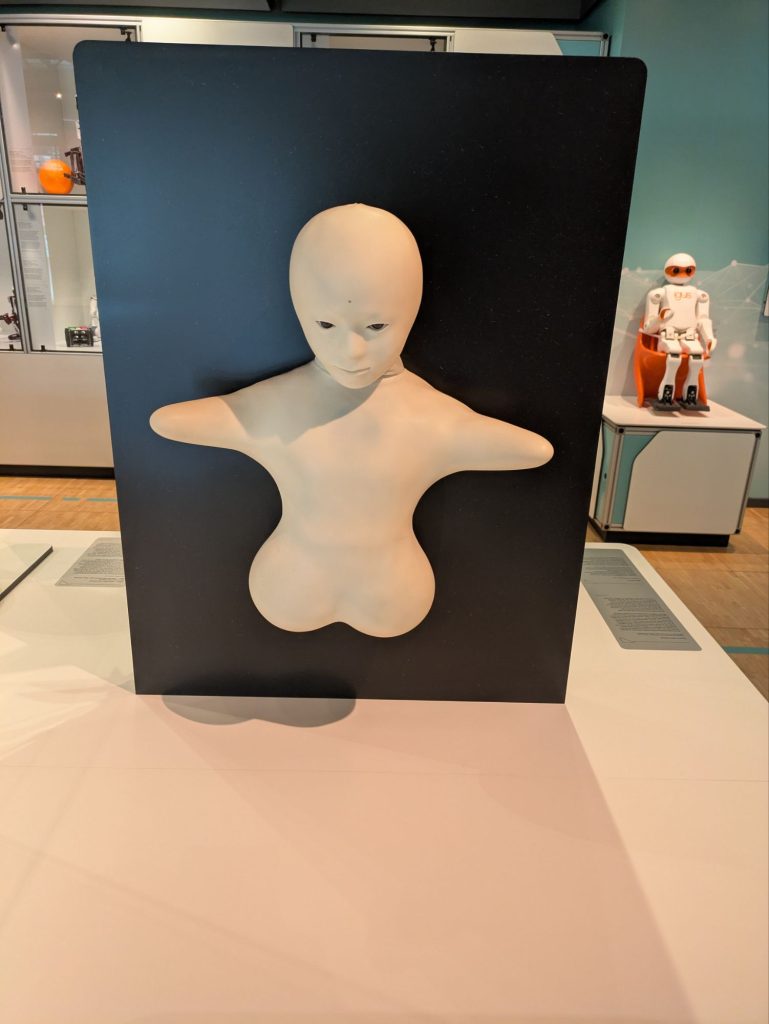
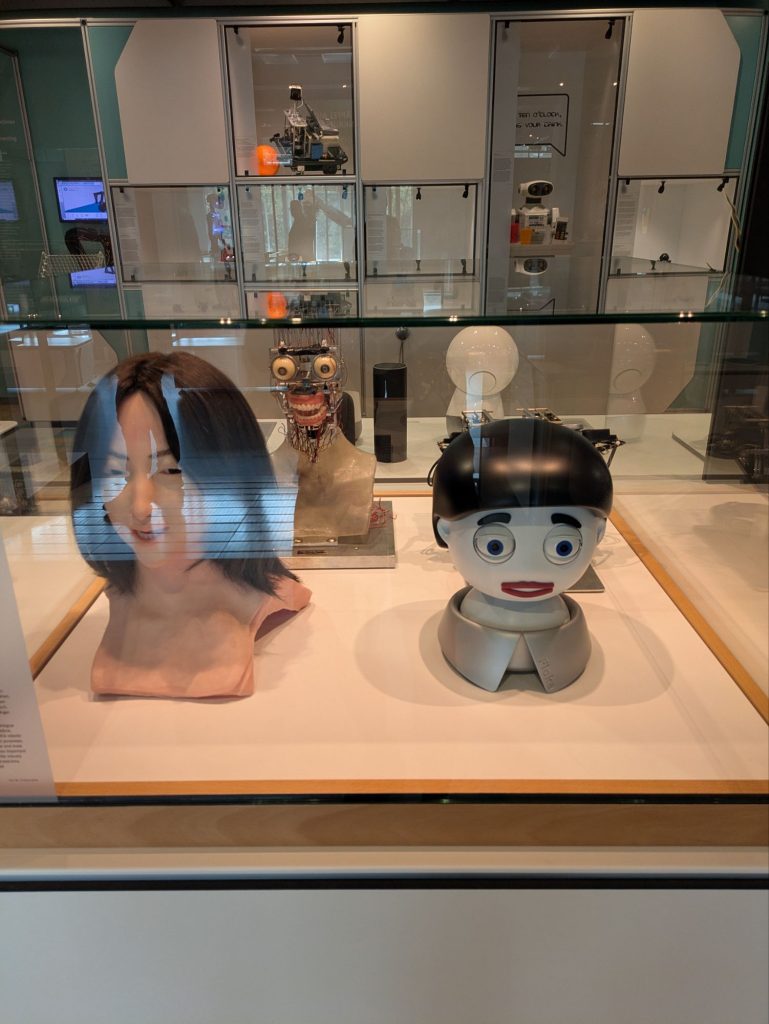
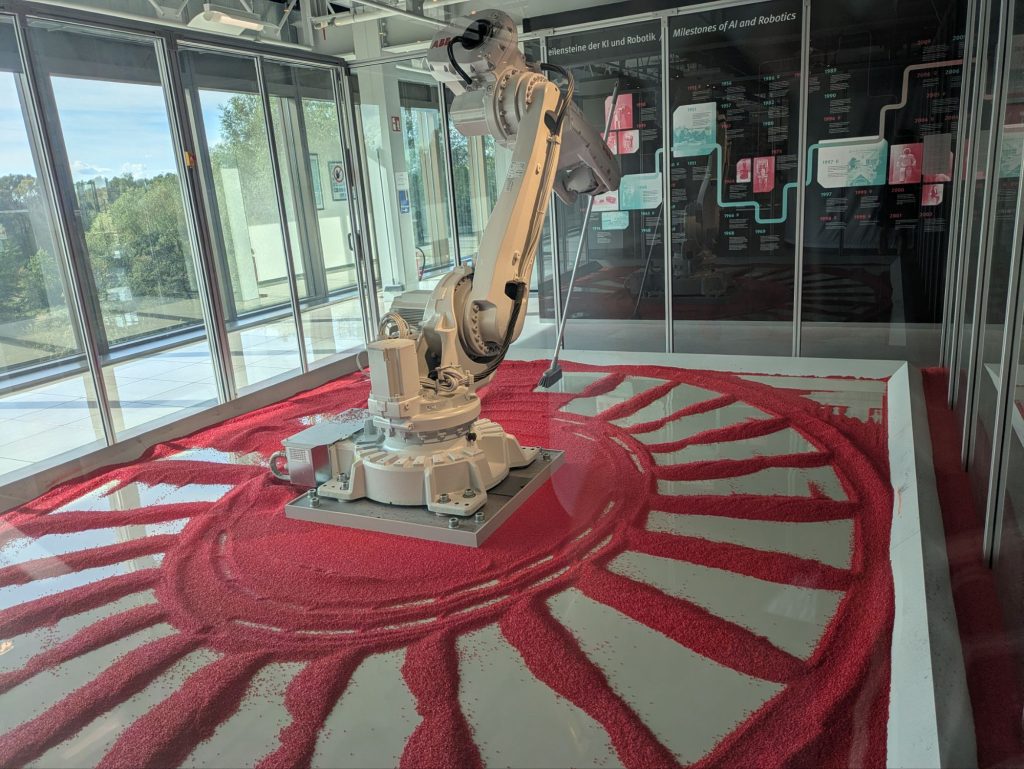
There was an industrial robot that’d been programmed to sweep plastic pellets into patterns:
The final section of the exhibition focussed on quantum computing.
It was an excellent museum. There’s a lot in there, and it was well presented.
It looks like a fascinating museum.
My mum had an Olivetti typewriter that was almost identical to the one you photographed.
My mum has one too; it still works. It’s quite a workout for the fingers.
That’s a great museum. I hadn’t realised a linotype was so large. I’m always struck that working practical robots are machines like the pellet sweeper, yer how obsessed we are in creating robots in the images of ourselves, that at the moment look like silicone muppets.
It’s quite a contraption. I’d love to see one running; the mechanism looks very complicated.
“Silicone Muppets”; love it. It’s their movement that I find especially unnerving; I think it’s sometimes the delay before it reacts that’s the creepy bit.
There was a similar industrial robot in Karlsruhe making more art.